
The journey of chance tracing the historical evolution of gambling
The Origins of Gambling
The origins of gambling date back to ancient civilizations, where people engaged in games of chance as a means of entertainment and social interaction. Archaeological evidence from sites such as Mesopotamia reveals that dice, made from various materials including bone and wood, were used in games as far back as 3000 BC. This early form of gambling not only provided amusement but also reflected the cultural practices and beliefs of those societies, often tied to the concepts of fate and fortune. Today, enthusiasts can explore platforms like zoccer casino, which echo this rich history.

In ancient China, gambling also took root, with the earliest known references found in texts from around 2000 BC. The Chinese were known to play games resembling modern-day lotteries, using bamboo sticks and slips of paper. These forms of gaming were often connected with spiritual beliefs, serving as a means to seek guidance from deities through chance. Such early instances set the stage for the evolution of gambling as a pivotal aspect of human culture.
As societies progressed, gambling evolved alongside them. The Romans, for instance, popularized betting through chariot races and gladiatorial games, where bets were placed on outcomes. This era marked a shift from simple dice games to more organized forms of gambling, demonstrating how the human penchant for risk-taking intertwined with the cultural tapestry of the time. Each civilization contributed unique aspects to the ongoing development of gambling, laying the groundwork for what we know today.
The Middle Ages and Regulation
The Middle Ages saw significant changes in gambling, particularly with the rise of social and moral constraints. Gambling was often viewed with suspicion, associated with vice and moral decay. In response, many governments began to regulate gaming activities. For example, in England, legislation was enacted to control betting practices, leading to the establishment of licensed gambling houses. This period reflected society’s ambivalence towards gambling, balancing the desire for entertainment with concerns over morality.
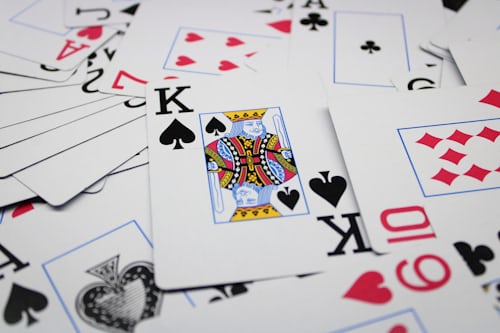
Despite these regulations, gambling persisted in various forms, especially among the nobility. Games like chess and card games became popular, often played for stakes that included money and property. The introduction of playing cards in Europe during the late 14th century further fueled gambling interests, giving rise to a plethora of card games that would evolve over the centuries. This era demonstrated how gambling adapted to societal norms while continuously appealing to human instincts.
With the Renaissance came a renewed interest in games of chance, fueled by advancements in printing technology and the expansion of trade. The establishment of state lotteries emerged as a public means to raise funds for infrastructure and welfare, demonstrating gambling’s potential for social benefit. This blend of regulation and opportunity paved the way for the more structured gambling systems we see today, illustrating the dual nature of chance as both a risk and a revenue source.
The Birth of Modern Gambling
The 18th and 19th centuries marked a turning point in the evolution of gambling, as modern casinos began to emerge in Europe. The first official casino, the Casino di Venezia in Italy, opened its doors in 1638, setting a precedent for luxurious gaming establishments. This shift reflected broader social changes, as gambling transitioned from informal practices to organized venues that catered to the wealthy elite. The opulence of these casinos attracted patrons from all walks of life, marking a significant evolution in the gambling landscape.
The advent of the Industrial Revolution brought about significant changes in gambling culture. With urbanization, more people were drawn to cities, where gaming establishments thrived. Betting shops became commonplace, and new games like roulette and baccarat gained popularity. This era also saw the introduction of sports betting, with horse racing becoming a major focus. The expansion of gambling reflected societal transformations, as leisure time increased for the growing working class, making gambling more accessible to a broader audience.
As gambling continued to flourish, so did public scrutiny and calls for reform. Concerns over addiction and financial ruin led to a push for responsible gaming practices. Governments began to implement regulations aimed at protecting players, which included age restrictions and the establishment of gambling commissions. The evolution of modern gambling thus mirrored the complexities of human psychology, balancing enjoyment with the potential for adverse consequences.
The Digital Revolution and Online Gambling
The late 20th century ushered in the digital revolution, transforming numerous industries, including gambling. The advent of the internet brought online casinos and betting platforms to the forefront of the gaming world. This evolution allowed players to engage in their favorite games from the comfort of their homes, broadening access and convenience. The proliferation of online gambling sites led to the introduction of diverse gaming options, appealing to a global audience and breaking down geographical barriers.
Online gambling has introduced various psychological dimensions to the gaming experience. The immediacy of digital platforms has heightened excitement, but it has also raised concerns over addiction and responsible gaming. Strategies such as self-exclusion options and deposit limits have been implemented to help mitigate these risks. Understanding the psychological aspects of gambling in the digital age is essential, as it plays a critical role in shaping player behavior and fostering a safe gaming environment.
The rise of mobile gambling further emphasizes the need for adaptive strategies, as players now engage with games on their smartphones. This accessibility has led to an increase in impulsive betting behaviors, prompting discussions about the future of gambling regulations. As the industry continues to evolve, it is vital for stakeholders to prioritize responsible gaming initiatives to ensure that the enjoyment of gambling does not come at the cost of player well-being.
Exploring Gaming at Zoccer Casino
As the gambling industry evolves, platforms like Zoccer Casino offer an exciting and safe environment for players to explore their passion for gaming. Launched in 2023, Zoccer Casino features a diverse array of over 3,000 slots and live dealer games, catering to both seasoned gamblers and newcomers alike. The user-friendly interface ensures that players can easily navigate the site, making it accessible for everyone to enjoy their gaming experience.
In addition to a thrilling selection of games, Zoccer Casino prioritizes responsible gaming practices. Clear guidelines are provided to help players manage their gambling habits, ensuring that the experience remains enjoyable and safe. The generous welcome bonus of 100% up to €500 plus 200 free spins allows new players to kickstart their journey, reflecting the platform’s commitment to providing a rewarding gaming environment.
As gambling continues to evolve, Zoccer Casino stands out by adapting to the changing landscape of online gaming. With a focus on safety, innovation, and player satisfaction, it embodies the spirit of modern gambling while honoring the rich historical journey of chance. Players can immerse themselves in this vibrant world, celebrating the longstanding tradition of gambling in a contemporary setting.